
Voices from the Crowd
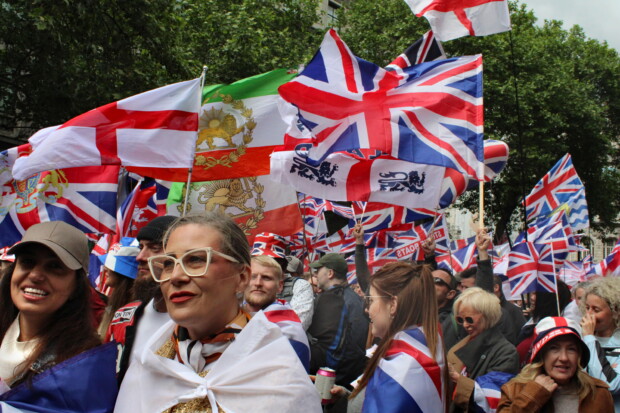
Despite official narratives, many attendees expressed frustration at being blanket-labelled by the media and politicians.
Advertisement
“I’ve had enough of Starmer. This country is a shambles, and I am utterly outraged at being called far-right.” — A 68-year-old grandmother from Norwich
She criticised what she described as “ridiculously high immigration figures” and the immense costs of hosting individuals “who do nothing to serve this country,” adding that double standards in public safety and political correctness had pushed her to take a stand out of pride for her nation.
Similarly, a 45-year-old mother from Epping, Essex, who attended with friends, described the day as “massive, peaceful, but loud,” calling Starmer a “disgrace who has ruined the country.” Another attendee, a 35-year-old receptionist who endured a 12-hour road and rail journey from Newcastle, marvelled at the turnout, stating: “Our country is broken. We need radical change… Today we are sending a message that we have simply had enough.”
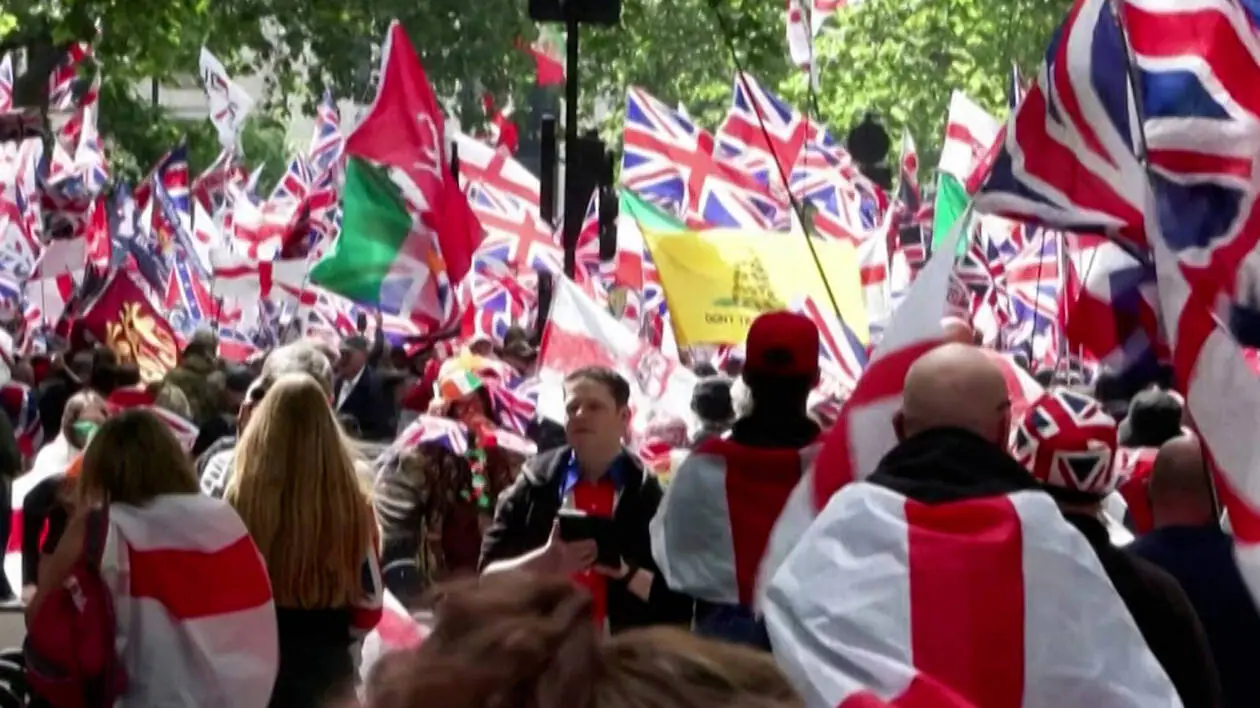
The crowd itself displayed a mix of cultural and political influences. Alongside British flags, Pro-Trump “Make America Great Again” banners were visible, as well as signs reading “Jesus is the way of life,” all punctuated by recurring chants of “Oh Tommy, Tommy.”
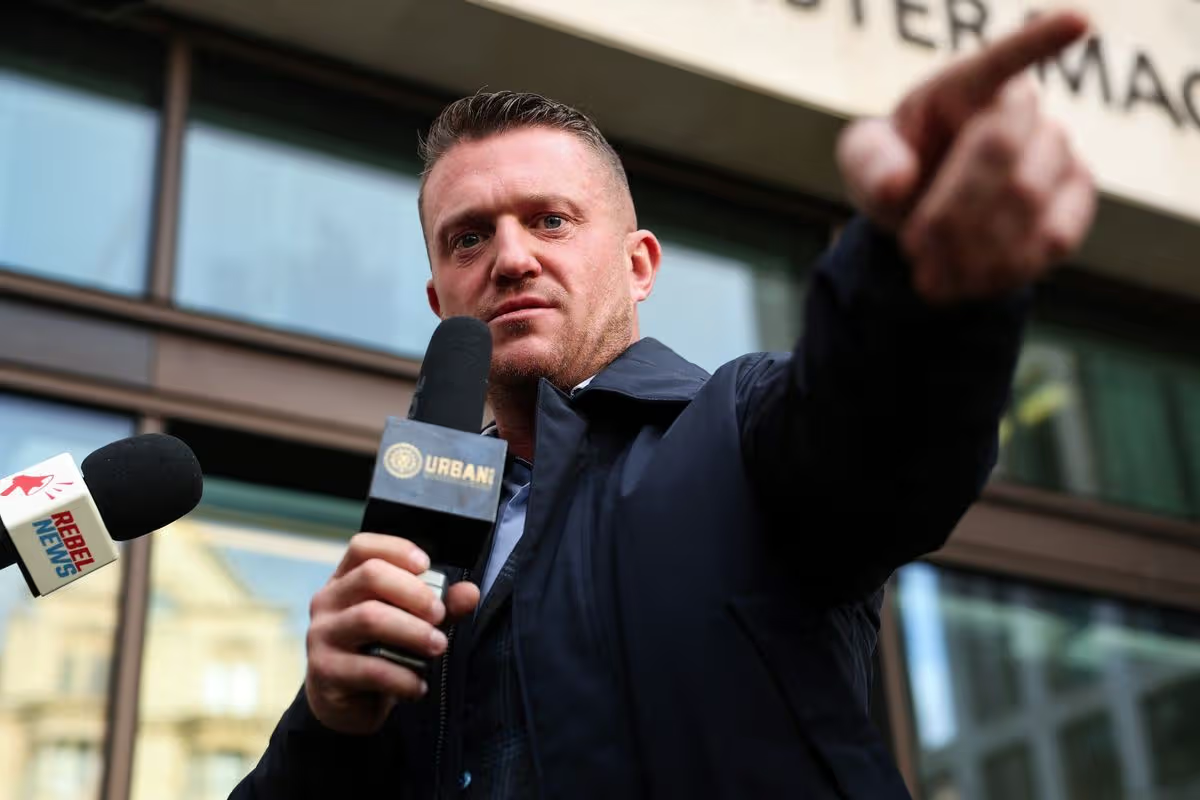
Taking to X (formerly Twitter), Tommy Robinson framed the event in historic terms: “Today we unite the Kingdom and the West in the largest patriotic demonstration the world has ever seen. The establishment showed its hand early, clearly not wanting the people united. Too bad! It’s happening!”
The Government’s Counter-Narrative
The official response from the Labour government followed a predictable script. Justice Secretary David Lammy accused the organisers of weaponising “hatred and division.” Writing on X, Lammy stated:
“They do not reflect the Britain I am proud of. Peaceful protest is a fundamental right, and one I will always protect. But if protest turns violent, we will act swiftly, with additional court capacity standing ready.”
Prime Minister Keir Starmer echoed these sentiments, having warned ahead of the march that organisers were actively spreading division. In a statement, Starmer noted:
“Today, the voices of division will be loud. They do not speak for the country I know, one that belongs to all of us. This is our Britain. A Britain worth fighting for.”
Two Contradictory Britains
According to BBC correspondent Tom Symonds, the crowd represented a broad spectrum of grievances. While some simply desired a change of government, others expressed a deeper conviction that the white working class is actively discriminated against in modern Britain.
Ultimately, the scenes in London exposed a profound national schism. On one side are citizens who refuse to be quietened on issues of mass migration, a perceived loss of sovereignty, and establishment condescension. On the other is a government that morally brands its critics, ramps up high-tech state surveillance, yet simultaneously promotes a rhetoric of a “Britain that belongs to everyone.” It is precisely within the friction of this contradiction that the current protest movement draws its energy.