Home News
Category:

News

Advertisement

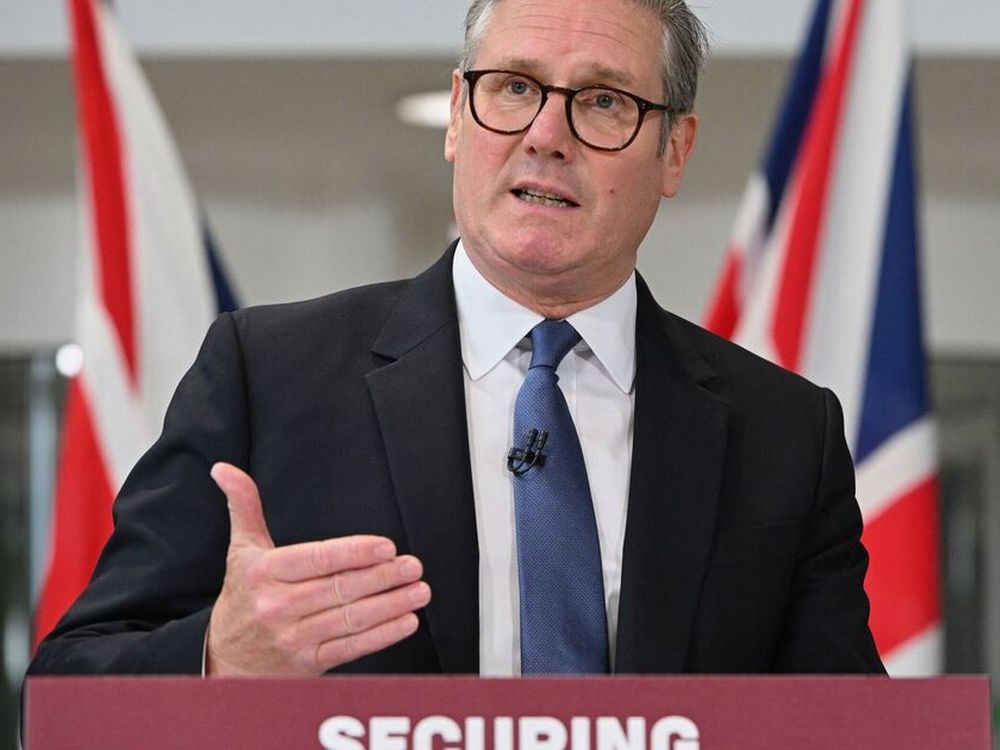
Sir Keir Starmer has finally spoken out about his resignation in an unusually candid interview with the BBC, and he used the moment to deliver a sharp warning to his likely successor, Andy Burnham.

With the Prime Minister potentially out of No 10 as soon as 17 July, Starmer made it clear he does not believe a future leader could spend less time on diplomacy than he did. Asked whether a future prime minister could focus more on domestic issues and less on foreign affairs, he replied bluntly: “No, I don’t think it is possible.”

He added that foreign and domestic policy are not separate worlds at all. “There’s often this discussion — what’s the right balance between dealing with international affairs and dealing with domestic affairs? They’re one and the same thing,” he said.

The remarks appeared to carry an unmistakable message for Burnham, who has built his political image around a more northern-focused agenda. The former Greater Manchester mayor is understood to want to spend more time on issues inside the UK, including the cost of living crisis and struggling public services.

Burnham is also planning to base himself more in Manchester as part of his push to establish a No 10 North unit, aimed at shifting more devolved power to the regions across England. But the move has already triggered anger from Reform UK and Tory figures, who accused him of wanting to waste millions of taxpayers’ money to “play Prime Minister in Manchester”.

Starmer’s BBC interview came only weeks after he insisted he would still stand in any future Labour leadership contest. Speaking about his decision to step down, he admitted it was “really, really tough” and said the final call came after spending a weekend with his wife, Victoria, and their teenage children at Chequers.

Pages: 1 2

Advertisement

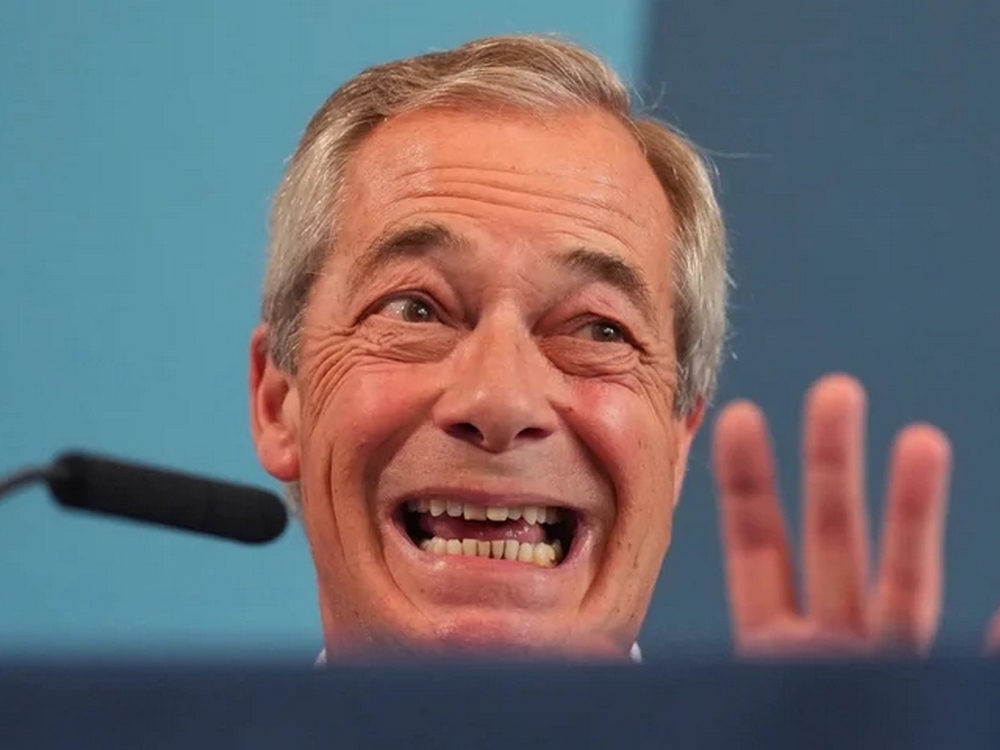
Nigel Farage has been drawn into a fresh political storm after concerns were raised that the standards investigation against him may be biased. Critics are already branding it a “kangaroo court”, arguing that some of the people who could help decide his fate have previously spoken out against him in public.

The row centres on an inquiry into alleged breaches of parliamentary standards. If the standards commissioner recommends sanctions, Farage could face further action from the Standards Committee — a body made up of MPs and lay members. The problem, according to his critics, is that several of those involved have already made strongly negative comments about him.

GB News has highlighted previous public remarks from a number of committee members. One had described Farage’s pay from GB News as a “conflict of interest”, while another had complained to the equalities watchdog about alleged Islamophobia linked to Reform UK. That has fuelled claims that the process is anything but impartial.

Under the Commons’ code of conduct, committee members are expected to act fairly, objectively and on the basis of evidence. But opponents say confidence in the system is hard to sustain when people who have already criticised Farage are asked to rule on his conduct.

Pages: 1 2

Advertisement

The UK is preparing a major overhaul of its pension system, and for millions of people it could mean a welcome financial boost from forgotten retirement savings worth thousands of pounds. For many, this is more than just another policy update — it could be a rare chance to recover money that has been sitting unclaimed for years.

The Pension Dashboards project has now reached a key milestone, with officials confirming that 85% of pension records are linked to the new digital platform. That means Britons could soon be able to track down old pension pots in one place, including accounts they may have completely lost sight of.

According to estimates from National Pension Tracing Day, there are around 3.3 million forgotten pensions still unclaimed across the country. Their total value is believed to exceed £31.1 billion, with the average lost pot worth about £9,500. For many people, that could translate into a significant extra sum without taking any risk or making any new investment — just by finding money that already belongs to them.

Once the system goes live, users should be able to see all their pension savings in a single online dashboard. The platform will show both state and private pensions, including which provider holds each pot, contact details, and the current value. It will also estimate the income each pension could provide at retirement, giving savers a much clearer picture of their future finances.

In practice, the dashboard is set to become a one-stop digital hub for anyone who wants to check whether they have money tied up in old pension schemes. It will initially be run by MoneyHelper, part of the Money and Pensions Service, with banks, employers, and pension providers expected to launch their own versions later on.

Pages: 1 2

Advertisement

The £5 Million Leak

The drama kicked off when The Guardian dropped a bombshell: Farage had reportedly received a staggering £5 million donation from businessman Christopher Harborn. The massive transfer instantly raised eyebrows in Westminster, with critics accusing the Reform UK leader of failing to properly declare the cash to Parliament.

But just as the pressure over his finances began to boil, Farage pulled a dramatic rabbit out of his hat.

‘Almost Certainly Moscow’

According to party insiders, Farage handed his personal phone over to private forensic experts. Their alleged verdict? His device, emails, and bank accounts had been breached by “hostile state actors, almost certainly linked to Moscow.”

The timing was impeccable. By blaming Russian spies for leaking his financial secrets, Farage instantly turned a messy domestic funding scandal into an international espionage thriller.

The Plot Thickens: Farage’s camp implies the leak was a coordinated hit by foreign agents to destabilize his political movement.

Pages: 1 2

Advertisement

A shocking new report has revealed that thousands of pensioners across the UK are failing to claim money they are already entitled to, with up to three in four missing out on an average of £1,339 a year. The figures, from retirement specialists Just Group, paint a grim picture of older households quietly losing out on vital support at a time when every pound matters.

The study found that more than four in ten pensioner homeowners qualify for at least one government benefit, yet 74 per cent are not claiming it. In plain English, that means money is sitting there waiting to be taken — but huge numbers of pensioners either do not know it exists or never get round to applying. For many low-income households, that can make the difference between coping and struggling.

Among the most eye-catching findings, fewer than one in four eligible pensioners are claiming council tax reductions, even though the average new claim is worth more than £1,000 a year. Just Group also said 62 per cent of pensioners were missing out on at least one key benefit, while 14 per cent were under-claiming and losing an average of £1,162 a year.

Pages: 1 2

Advertisement

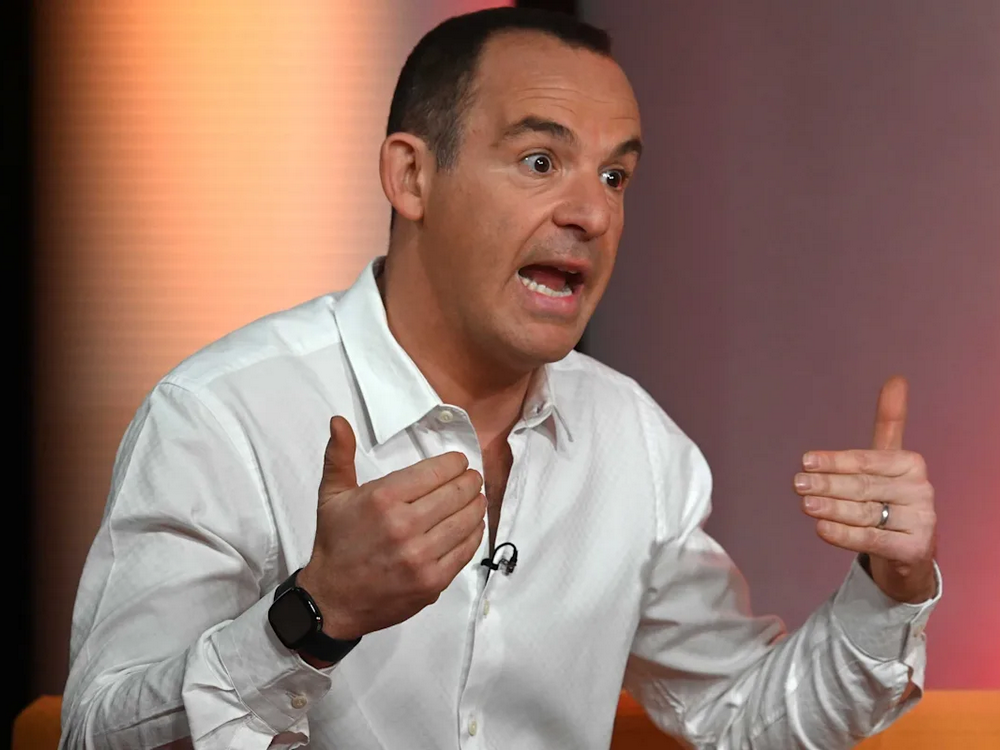
Martin Lewis has hit out at a wave of deepfake scam adverts using his name and image, branding the situation a “disgrace” as fraudsters continue targeting unsuspecting Britons. The money expert, whose face is regularly abused in fake investment promotions, said the scale of the problem shows just how far online scams have spiralled out of control.

The latest outburst comes amid growing alarm over AI-generated scam content that can look frighteningly real. Fake videos and ads often mimic Lewis’s voice, appearance, and even his familiar style of consumer advice, luring people into schemes that promise easy money or quick compensation. But behind the polished presentation is usually a simple attempt to steal personal details or cash.

Pages: 1 2

Advertisement

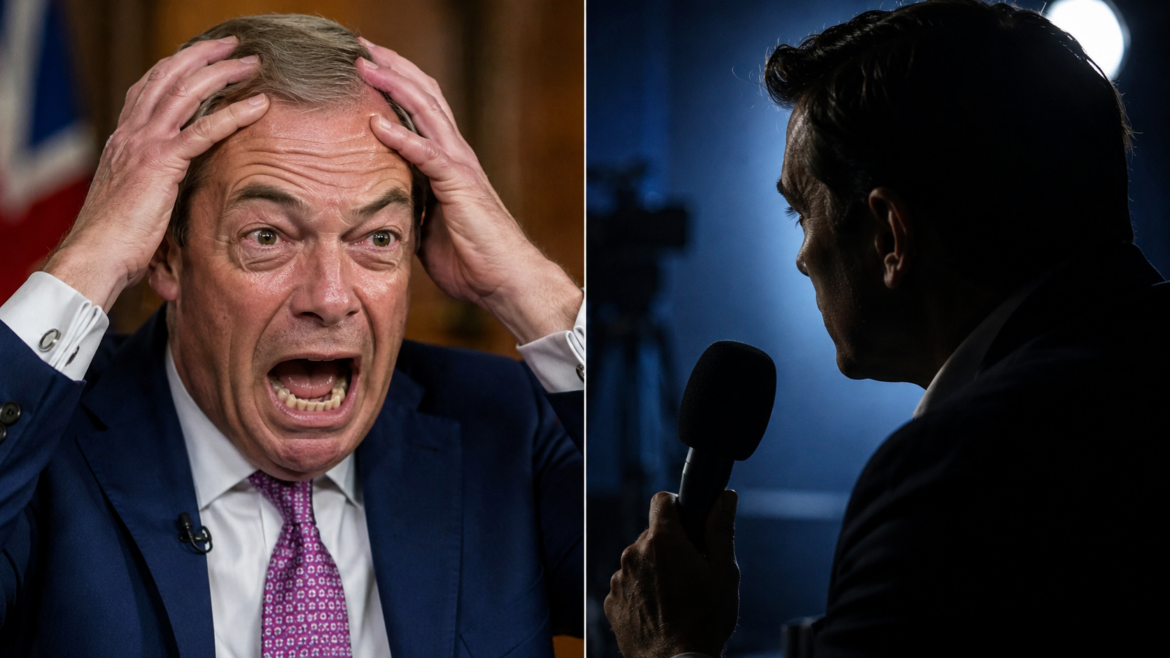
The British political firebrand has once again become the focal point of intense public speculation, with a fresh wave of high-profile whispers instantly cutting through the daily political news cycle. For a leader whose entire career was built on breaking the mold, direct media confrontation, and viral storytelling, this latest digital surge has triggered a massive wave of reaction across both mainstream television networks and social media platforms.

For loyal supporters, this intense scrutiny is simply another coordinated attempt by the establishment to silence a disruptive voice. For media analysts, however, the timing of this latest buzz represents a critical test of whether Farage’s sharp, anti-system brand can once again capture and control a fast-moving, unpredictable digital news cycle.

“In the modern British media arena, controversy is currency. When a narrative goes viral, you either ride the wave or get swept away by it.”London Media Strategy Bureau

Pages: 1 2

Advertisement

LONDON — It is the explosive boardroom backclash Whitehall desperately wanted to keep under wraps. The bitter row over Labour’s controversial fiscal squeeze has finally boiled over into an all-out war between Downing Street and Britain’s leading wealth creators.

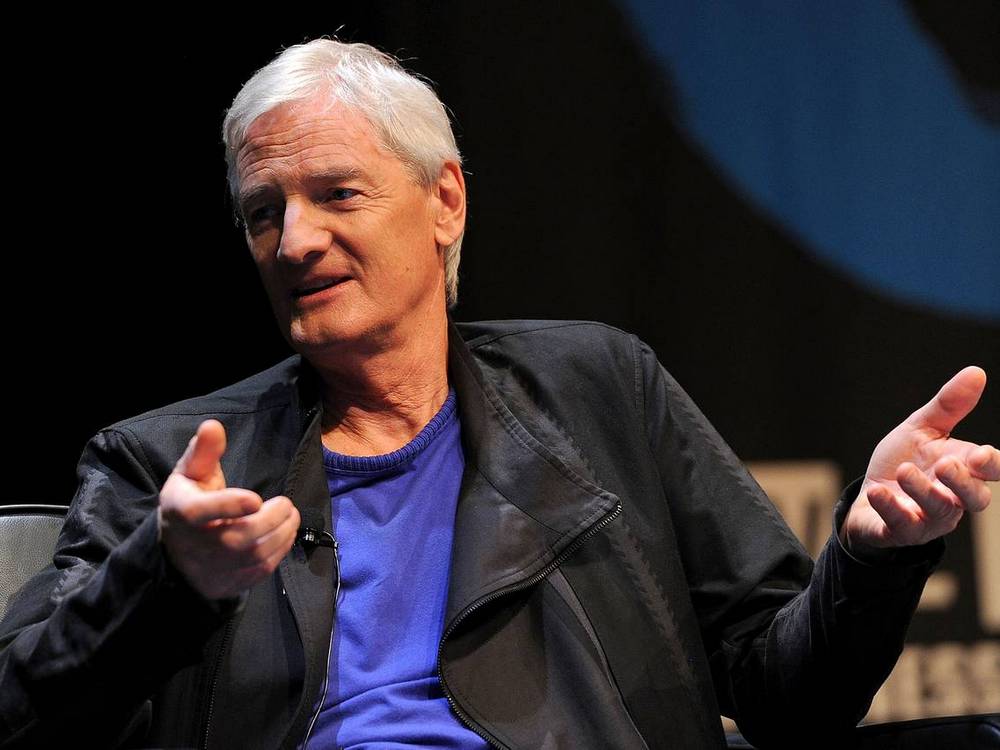
At the very heart of the storm is Sir James Dyson, the nation’s billionaire vacuum tycoon. Following a series of damaging Westminster leaks regarding the true impact of Chancellor Rachel Reeves’ Budget, the design icon launched a blistering attack on the government, branding their financial blueprint “spiteful” and warning it signals the “death of entrepreneurship.”

This is no simple “hot mic” blunder or accidental slip-up. Instead, this highly political leak exposes a far more uncomfortable truth for the Prime Minister: the sheer, unadulterated fury felt by homegrown businesses.

The fierce debate centres on what critics have already dubbed the “Great British Tax Grab.” Under the strict new rules which kicked in on April 6, 2026, the traditional inheritance tax relief for agricultural and family businesses has been dramatically scaled back. While a full exemption remains for the first £2.5 million of combined assets, everything above that threshold is hit with a reduced relief rate — effectively handing grieving families a staggering 20 per cent tax bill on their life’s work.

While Treasury officials insist the changes only target the super-rich, furious business owners argue the raid will tear apart multi-generational firms that form the backbone of the UK economy.

Pages: 1 2

Advertisement

LONDON — Riot police were out in force over the weekend as Tommy Robinson brought central London to a complete standstill with a massive “Unite the Kingdom” rally. Tens of thousands of chanting supporters packed out Parliament Square for the high-stakes event, which quickly turned into a major logistical headache for Scotland Yard. But the real drama kicked off behind the scenes when a sudden technical blunder left the right-wing firebrand red-faced.

Right in the middle of the noisy demonstration, the event’s massive Jumbotron screens and heavy-duty speakers abruptly went dead, plunging the square into a temporary blackout. As frantic techies scrambled backstage to get the system back up and running, a major slip-up occurred. Tommy Robinson clearly didn’t know his microphone was still switched on. Completely oblivious to the fact that his lapel mic was still live, he kept talking away backstage, with his raw, unedited chatter feeding directly into online streams and nearby speakers.

Through this unexpected “hot mic” gaffe, onlookers got an unfiltered earful of exactly what the controversial activist is plotting behind closed doors. There were no polished soundbites or managed PR lines — just pure, explosive talk that immediately set social media alight.

Pages: 1 2

Advertisement

The Scale of the Protest

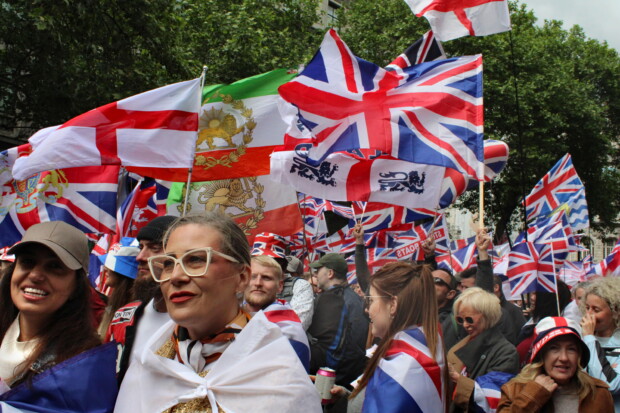
Tens of thousands of demonstrators converged on central London for the “Unite the Kingdom” rally, an event orchestrated by activist Tommy Robinson. According to The Telegraph, early estimates placed the crowd size at around 50,000 in Kingsway before the procession moved toward Whitehall and Parliament Square. Chants of “We want Starmer out” echoed through the streets, accompanied by a sea of St George’s Crosses and Union Jacks.

The protest serves as a direct challenge to Prime Minister Keir Starmer, with the event’s central slogan calling for the country to be “freed” from his administration.

For Downing Street and much of the political establishment, the classification of the attendees is already settled: they are dismissed en masse as the “far right.” This rhetorical branding highlights how modern British political discourse is categorised—those who voice concerns over mass immigration, public safety, and perceived political double standards are swiftly relegated to the ideological fringes.

A Capital Under Surveillance

To maintain order, the Metropolitan Police launched a massive operation aimed at keeping the rally strictly separated from a concurrent pro-Palestinian demonstration. According to the BBC, over 4,000 officers were deployed across London to establish a secure buffer zone between the two factions. The operation features:

  • Aerial and Ground Support: Continuous drone surveillance, alongside police horses and canine units.

  • Tactical Readiness: Armoured vehicles held in reserve to prevent potential clashes.

  • Biometric Tracking: Live facial recognition cameras installed at Euston and King’s Cross St Pancras stations—two major transit hubs for arriving demonstrators.

The Met Police described the deployment as one of its most significant operations in recent years, further complicated by the tens of thousands of football fans flooding into Wembley Stadium for the FA Cup final on Saturday afternoon.

Social media footage quickly emerged showing police detaining individuals who appeared to have been flagged by the facial recognition systems. One video captured a scuffle between demonstrators and officers during an arrest. This display of state power was not merely about maintaining a physical presence, but also about showcasing technological capabilities: anyone travelling to the protest faced biometric logging before even leaving the train station.

Pages: 1 2

Advertisement

Newer Posts
logo

Disclaimer

Content on this website is provided for general information purposes only and should not be treated as medical, legal, financial, or other professional advice. While we strive to ensure the information is accurate, we make no representations or warranties of any kind, express or implied, about its completeness, accuracy, or reliability; any reliance you place on such information is strictly at your own risk.

Articles may discuss public figures, political figures, media personalities, or organisations for editorial context only; no endorsement, association, or approval is implied unless expressly stated.

Some pages may contain advertising, sponsored content, or commercial links, which will be identified where applicable. We have no control over, and assume no responsibility for, the content, privacy policies, or practices of any third-party websites. Health-related information is not a substitute for advice from a qualified healthcare professional.

Contact information

Silent Voyage LTD

24A Egerton Rd, Manchester M14 6XA, United Kingdom

+441612486429

info@silent-voyage.com

All rights reserved © 2026